Answer a few questions about the job. It's free and there is no obligation.
A wall to build, a patio to lay, a lawn that stays under water or a slope to tame: tell us about the job in a few clicks and get a free, no-obligation quote for your Derby garden.
In Derby, the ground under the garden does as much of the work as the landscaper: clay that holds water, slopes that move, rivers that rise.
Six kinds of work, from a garden wall to the drains under the lawn.
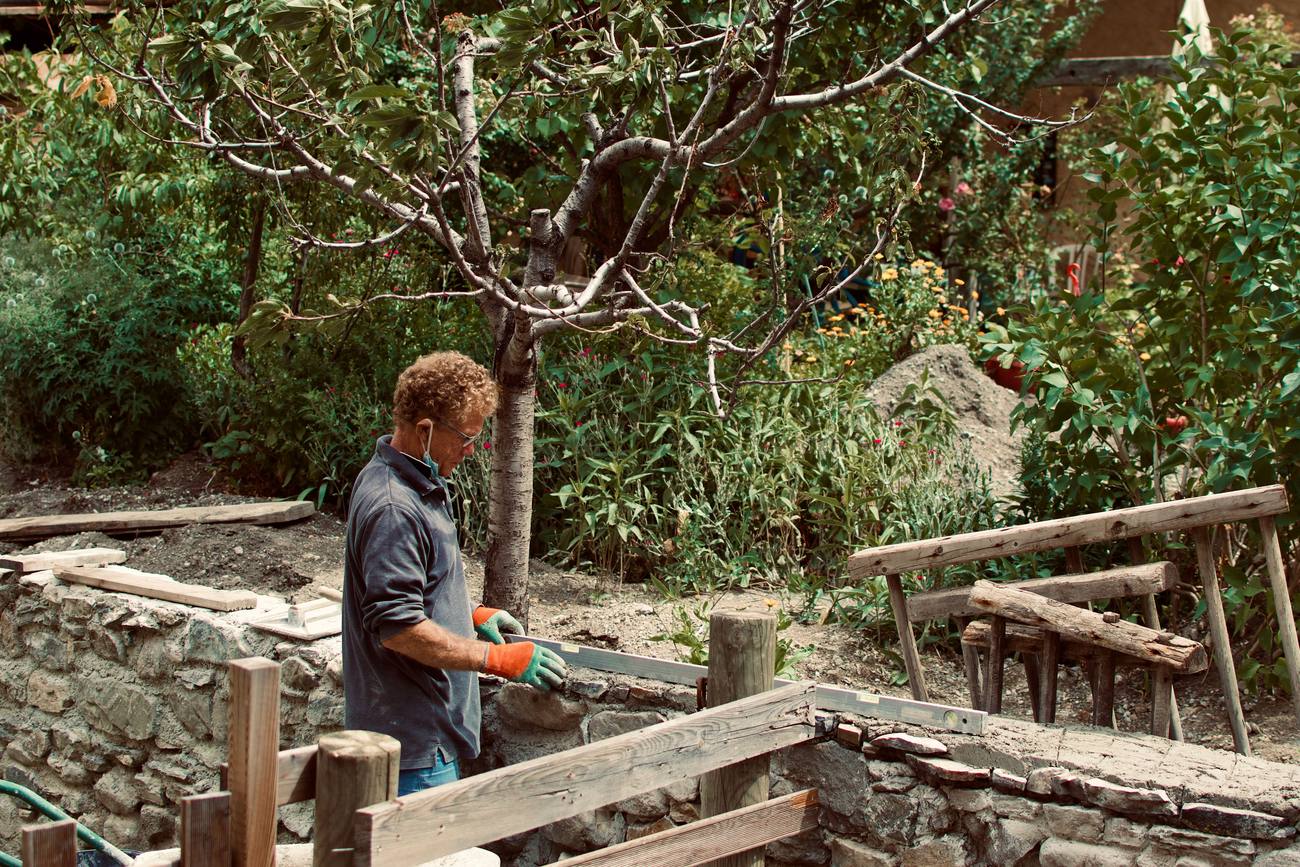
Stone, brick and block walls, and the terraces that hold a slope in place.
Garden walls, terraces, stepsHard surfaces laid on a base that will not sink or heave.
Patios, paths, drivewaysNew turf or seed, repairs, and artificial grass where it makes sense.
Turfing, seeding, repairsBeds dug, soil improved, and planting chosen for the site.
Borders, hedges, shrubsFences and gates for the boundary, decking for the level spot.
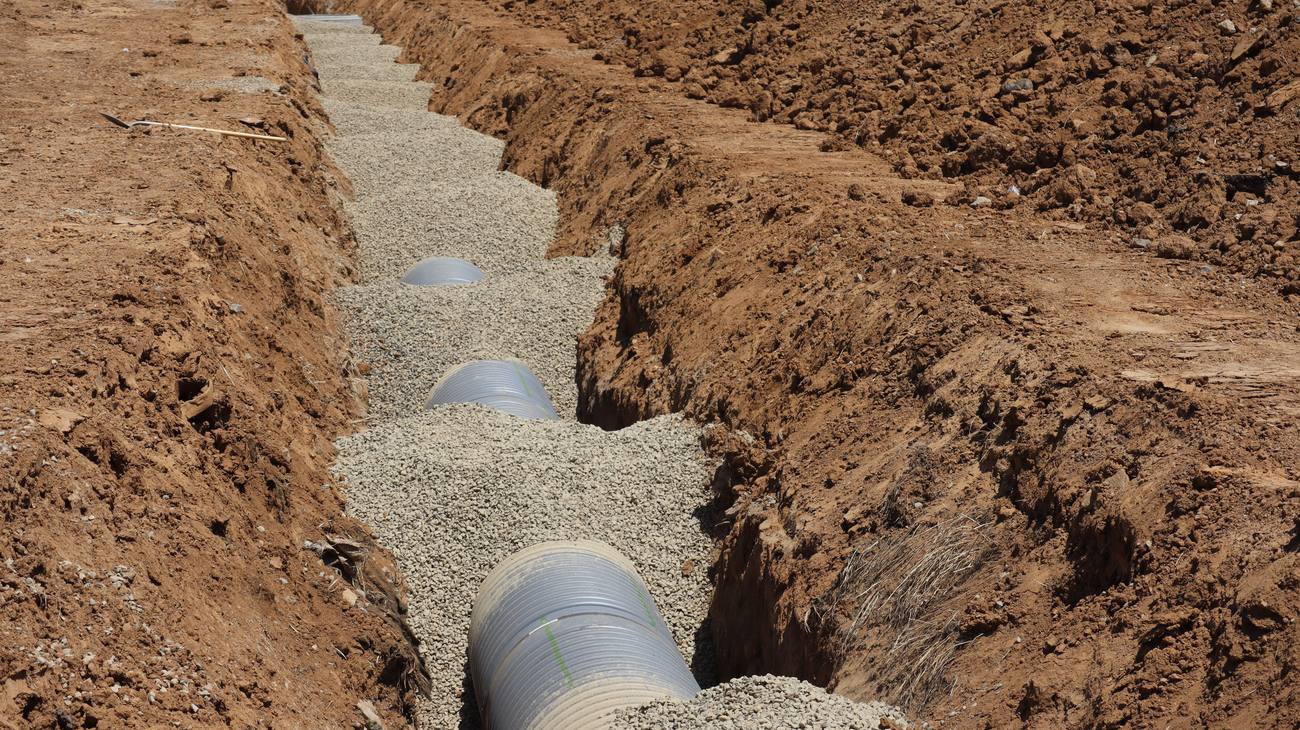
Fences, gates, deckingLand drains, soakaways and regrading for wet, heavy ground.
Drains, soakaways, levelsThe county is built of stone and brick, and gardens follow the buildings.
Hard, grey-brown and dense. The stone of the Derwent valley and the Dark Peak, in old mills and field walls.
Walls, steps, setts and edging. It weathers well and takes decades to show its age.Pale and often fossil-rich. The stone of the White Peak, around Matlock and Buxton.
Walling and rockeries. It is alkaline, so it affects what grows close to it.Warm and softer, from buff to red. Used in many older buildings across the county.
Paving and steps. It marks more easily, and is worth sealing.Red and brown brick of the Victorian terraces, including the streets around the railway works.
Walls, edging and paths. Choose a frost-resistant brick for anything outside.Derby's suburbs climb towards the Peak District foothills, and a sloping garden needs steps or terraces. What you do not see decides whether the wall lasts.


Much of the ground around Derby is heavy red clay, and parts of the city lie on the floodplains of the Derwent and the Trent. Water has to go somewhere.
Four ways to deal with it that do not simply push it into the road. Check your flood risk on GOV.UK before building low in the garden.
Four sites, four short lists, like the labels in a nursery.

On heavy clay, plants do better in ground opened up with organic matter and a little grit, and planted a touch proud of the surface.
Autumn is the best moment for trees, shrubs and hedges. Water in well, and mulch to keep the moisture.
From the city centre out to the four points of the compass.